By Morgan Lawrence (she/her), USDA Northwest Climate Hub
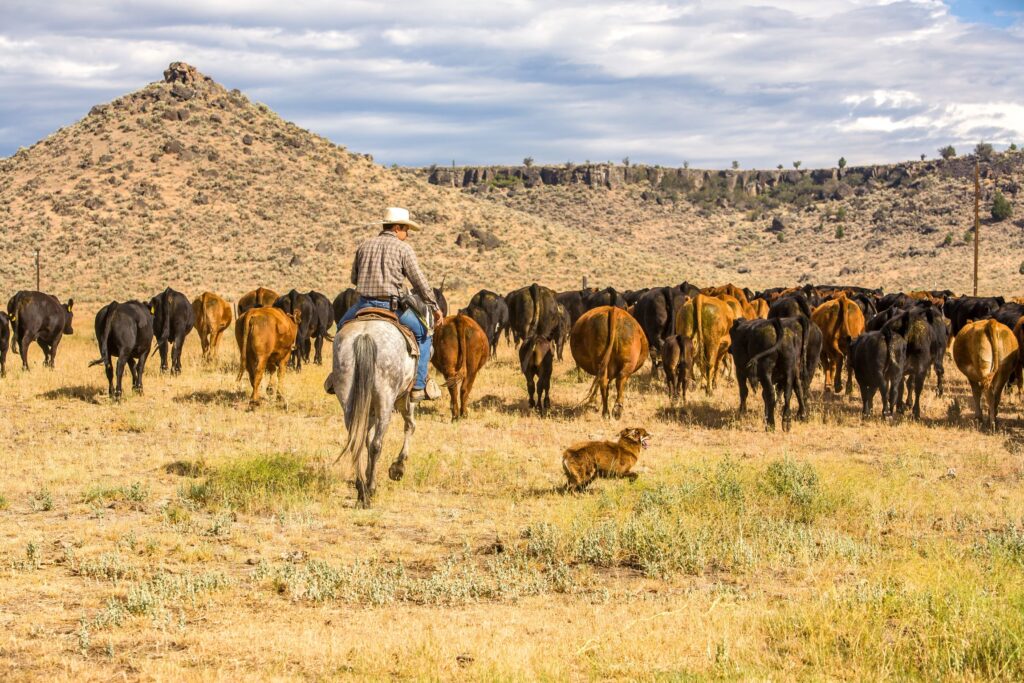
Northwest rangelands provide valuable resources including livestock forage, wildlife habitat and healthy watersheds. However, these landscapes face challenges associated with climate change, such as increasingly severe droughts, wildfires and extreme precipitation events. Such events can negatively impact livestock, forage and habitat health leading to reduced agricultural productivity, loss of biodiversity, and long-term ecosystem degradation.
Adaptive Grazing Management (AGM) is a flexible approach that can help ranchers and land managers navigate some of these challenges. Through this approach, managers can ensure sustainable and productive grazing by continuously monitoring rangeland conditions and adapting their practices in response to changes.
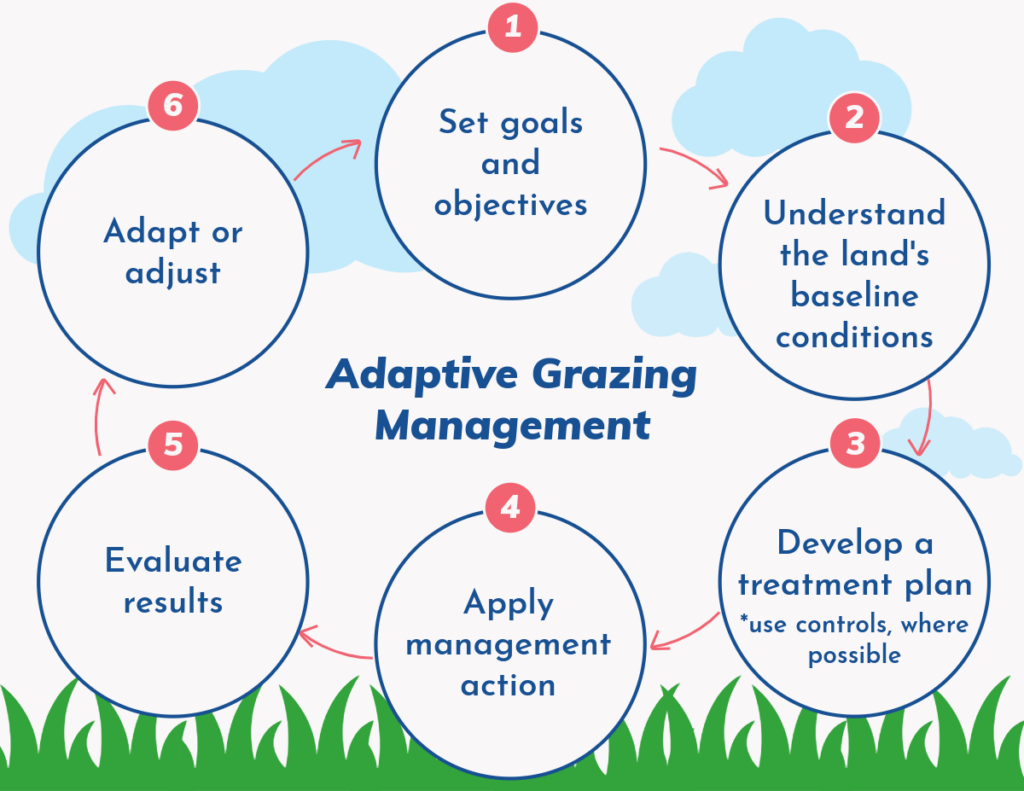
Here’s a breakdown of the AGM process:
- Set specific goals and objectives: Your goals and objectives might include ecological, financial, social or livestock production goals. Potential goals might include improving forage production for livestock and reducing invasive species, such as cheatgrass. Setting goals with specific quantitative metrics can increase the likelihood of success.
- Assess rangeland dynamics: Gather information about the land’s ecological baseline, including plant types, soil health, weather patterns and climate variability. Knowledge of these factors is essential for understanding changes over time, and interpreting monitoring data effectively.
- Develop treatment plans: Create treatment plans, or strategies for action that align with your goals and objectives. Consider factors like grazing intensity, rotation schedules, and potential constraints, such as unpredictable weather or limited labor when formulating your strategies.
- Implement management actions: Put your treatment plans into practice. This might involve adjusting stocking rates, using rotational grazing or reseeding native grasses.
- Monitor and evaluate results: Track the outcomes of your actions using a variety of monitoring methods, such as photo monitoring, and analyzing grazing records and pasture assessments. These data will help you assess progress towards reaching your goals, and identify potential areas for improvement.
- Adapt and adjust: Evaluate the effectiveness of management practices based on the monitoring data and observations. Be sure to adjust and iterate your plans to maximize your results.
AGM is a cyclical process that emphasizes flexibility and continuous learning. By regularly monitoring and adapting their practices, ranchers and land managers can ensure that their grazing strategies are sustainable and responsive to changing rangeland environments.
For more information on Adaptive Grazing Management, and examples of Adaptive Grazing Management in action, visit the Northwest Climate Hub website.
Comments